
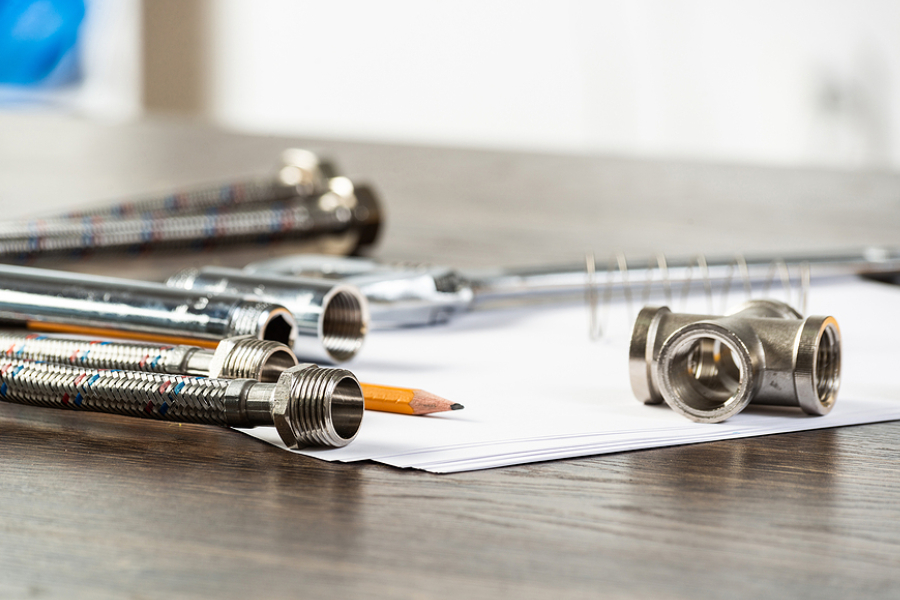
Pipe Fittings Compared: Compression Vs Push-To-Connect
In mechanical and plumbing systems, The performance and safety of piping and tubing assemblies often hinge on one critical decision: selecting the right type of pipe fitting in Singapore. Among the most commonly used are compression and push-to-connect fittings; each with distinct advantages tailored to specific operational needs. Understanding these common pipe fitting terminologies, from... Learn More
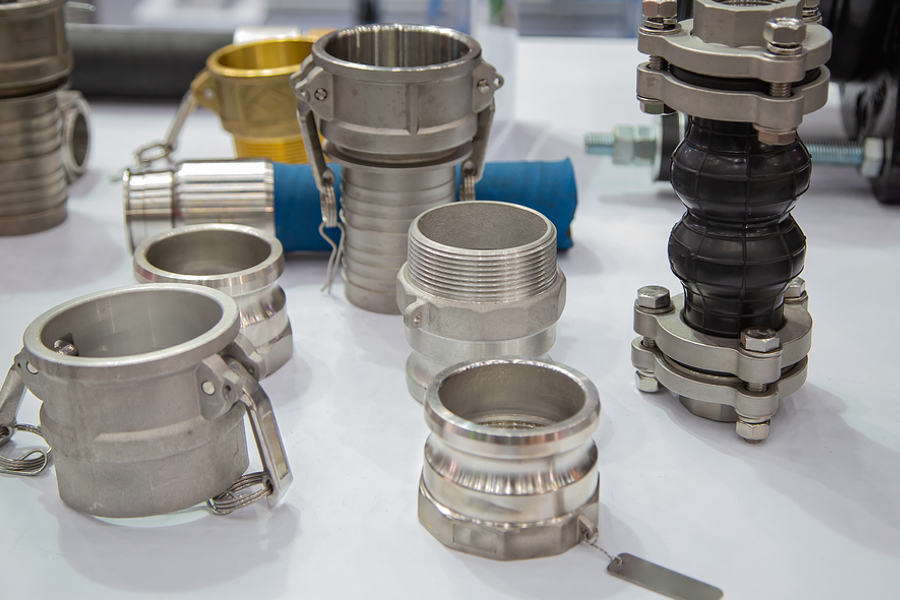
Thread Types For Dry Disconnect Couplings Explained
Dry disconnect couplings play a vital role in fluid handling systems across various industries by enabling quick and safe connection or disconnection of hoses and pipelines without fluid spillage. There’s more you didn’t know about dry disconnect couplings than just their spill-proof functionality: one of the most critical yet often overlooked aspects is the thread... Learn More

6 Things You Didn’t Know About Dry Disconnect Couplings
When it comes to spill-free fluid transfer in industrial environments, dry disconnect couplings are absolutely essential. These cleverly designed connectors make it possible to transfer liquids, chemicals, fuels, and gases without leaks, spills, or product loss. Whether it’s a chemical processing plant, an oil refinery, or a pharmaceutical facility, dry disconnect couplings play a critical... Learn More

A Look At The Oldest Pipe Fitting Still In Use Today
You’ve probably encountered the term “pipe fittings” in your line of work, whether you’re in construction, manufacturing, or facility management. They’re essential components that connect, control, and direct the flow within piping systems. Where infrastructure and industry are constantly evolving, understanding the nuances of a pipe fitting in Singapore can be crucial. But have you... Learn More

How Often Should You Replace Dry Disconnect Couplings?
Dry disconnect couplings are built for durability, but they don’t last forever. You might think they do – after all, they’re designed to handle harsh chemicals, high pressures, and repeated use. But like any industrial component, they wear out over time. Ignoring this fact can lead to leaks, contamination, and even hazardous spills, all of... Learn More

Pipe Fitting Vs Plumbing: What’s The Real Difference?
When it comes to working with pipes, many people assume that pipe fitting and plumbing are the same thing. After all, both involve pipes, connections, and the movement of liquids or gases. But while they might seem similar at first glance, these two trades serve different purposes and require different skill sets. If you’re planning... Learn More

A Rundown Of Utility Pipe Pigging And Its Many Variations
Utility pipe pigging, often simply referred to as pipeline pigging, is a vital technique used across numerous industries to maintain the functionality, safety, and efficiency of pipe systems. At its core, this process involves the insertion of devices known as “pigs” into the pipeline. These pigs, available in various shapes and sizes, are propelled through... Learn More

5 Key Considerations When Using Horizontal Expansion Joints
Whether it’s steel or fabric expansion joints, not one of these assemblies is created equal. Each project has unique requirements, from substrate conditions to transition options, making careful planning and selection crucial. By keeping these essential considerations in mind, you can reduce risks and ensure the long-term success of both new construction and restoration projects.... Learn More

Pipe Fitting Terminology: What Do All Those Terms Mean?
Navigating the world of pipe fitting can be overwhelming, especially if you’re new to the plumbing or construction industry. With so many terms, types, and specifications, it can feel like you’re learning a whole new language. What do all these terms mean? More importantly, how do you know which pipe fitting is the right one... Learn More

9 Misapplications To Avoid When Using Dry Disconnect Coupling
Dry disconnect couplings are widely used in hydraulic and pneumatic systems for their ability to facilitate the connection and disconnection of fluid lines without fluid loss. These versatile components ensure efficiency, safety, and reliability across various industries. However, achieving optimal performance requires proper application and configuration. Unfortunately, misapplications are not uncommon, and they can compromise... Learn More