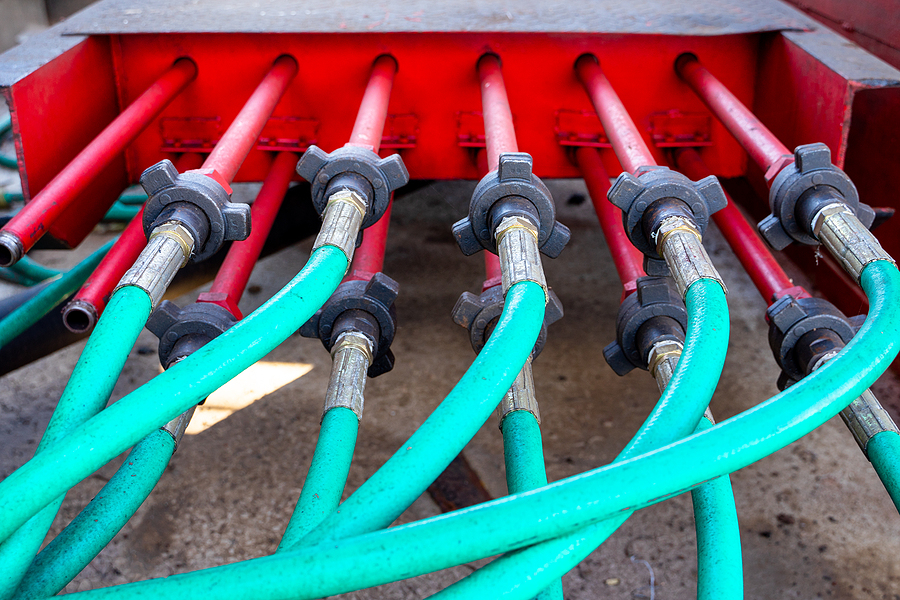
The Many Ways Hoses Can Fail And The Signs To Look Out For
Industrial hoses are a fundamental piece of equipment in many industries. Whether they are used in construction sites, food processing facilities, pharmaceutical plants, or everyday plumbing, hoses facilitate the transfer of liquids, gases, and chemicals without much notice, that is, until something goes wrong. Despite being designed to withstand pressure and demanding environments, even the most durable hoses are not immune to wear and tear, whether they be stainless steel or silicone hoses in Singapore.
When hose failure occurs, the consequences can be severe. Beyond repair or replacement costs, businesses may face operational downtime, production delays, or even health and safety risks. Given that a single failure can potentially cause severe disruptions to operations, it is essential to understand the common failure modes of hoses, recognise early warning signs, and adopt good practices to prevent premature damage and ensure timely replacement to stay ahead of failure.
Top failure modes of hoses
Learning about the typical ways hoses can fail allows businesses and technicians to intervene early, avoiding costly disruptions. Below are some of the most frequent hose failure modes seen in industrial and commercial settings.
1. Fitting blow-off
A fitting blow-off occurs when the coupling unexpectedly detaches from the hose. This sudden separation can result in dangerous fluid sprays, system depressurisation, and damage to surrounding equipment. Causes typically include:
- Excessive internal pressure
- Incorrect hose assembly
- Insufficient clamping force
- Incompatible hose and coupling materials
A well-assembled hose with the correct fittings is far less likely to experience this type of failure, making proper installation practices crucial.
2. Hose/coupling interface weep
This refers to a small but persistent leak at the connection between the hose and the coupling. Though often dismissed as minor seepage, ignoring it can lead to further deterioration and larger leaks. Tell-tale signs include:
- Stains or wet spots near the base of the fitting
- A slow reappearance of fluid after wiping the connection dry
Loose fittings, worn seals, or low-quality components are common culprits. Using durable, industry-compliant products can help reduce the likelihood of such leaks, since silicone resists both heat and chemical degradation better than many alternatives.
3. Hose burst
Hose bursts can be particularly dramatic and dangerous. They occur when the hose wall ruptures due to factors like:
- Excessive pressure beyond rated limits
- Material fatigue from age
- Corrosive chemical exposure
- Physical damage (such as accidental impact)
A burst can happen either along the hose body or at the coupling. At couplings, over-tightening, material incompatibility, or poor assembly are often responsible. Routine inspections are key to preventing such sudden and hazardous failures.
4. Hose cracks and twists
Hose cracks are small fissures that develop along the surface, usually caused by environmental exposure (UV rays, ozone, or extreme temperatures), chemical attack, or simple ageing. Twists, meanwhile, occur when hoses are installed with misaligned fittings or forced into awkward routing. Twisting increases internal stress, restricts flow, and accelerates wear.
Both issues are entirely preventable through proper handling, storage, and routing during installation.
Common symptoms of hose failure
Spotting issues early is critical for maintaining system safety and efficiency. The following symptoms are strong indicators that a hose may be nearing failure:
- Cracks or fraying – Visible surface damage, particularly in high-stress areas, is a clear warning sign.
- Soft or mushy texture – A hose that has lost its firmness may have a compromised internal structure.
- Swelling or bulging – Localised swelling often points to internal weakening or excessive pressure build-up.
- Strange odours or discolouration – This could signal chemical incompatibility or material breakdown.
- Reduced performance – A noticeable drop in flow or pressure may suggest internal blockage or weakening.
- Leaks – Even minor seepage, whether dripping or spraying, is a red flag that immediate attention is required.
By staying alert to these signs, technicians can act promptly, minimising risks to both equipment and personnel.
Mistakes that increase the risk of hose failure
While hoses inevitably degrade over time, many premature failures can be traced back to avoidable errors in installation, handling, or maintenance. Here are some of the most common mistakes:
1. Poor assembly
Improperly assembled hoses are highly vulnerable to leaks, blow-offs, and stress fractures. Failing to follow manufacturer torque guidelines, skipping inspections, or using the wrong tools can all compromise the connection. Ensuring skilled assembly and quality checks are performed is a straightforward yet effective preventive measure.
2. Excessive heat exposure
Heat is one of the biggest enemies of hose materials. High temperatures accelerate ageing, making hoses brittle and less flexible. In industries such as food processing or electronics manufacturing, hoses may operate in high-heat environments. Installing insulation, using heat-resistant materials, and scheduling regular inspections can greatly extend hose service life.
3. Insufficient depth of insertion
When a hose is not fully inserted into the coupling, the connection is weakened. This not only reduces sealing efficiency but also raises the risk of leaks or complete disconnection. Always check that the hose meets the recommended insertion depth for secure engagement.
4. Ignoring minimum bend radius
Every hose has a specified bend radius. Bending it beyond this limit introduces kinks, restricts flow, and creates concentrated stress points that can lead to rupture. Correct routing, protective brackets, and avoiding sharp turns can mitigate this issue.
5. Poor routing
Routing hoses haphazardly can cause abrasion, twisting, or interference with other components. Over time, this constant friction weakens the hose wall. Best practices include:
- Providing adequate clearance from sharp edges
- Using clamps or protective sleeves
- Avoiding unnecessary bends and twists
6. Trapped air
Air pockets reduce efficiency, create unstable flow, and place uneven pressure on hose walls. During installation, hoses should be properly primed and purged to eliminate trapped air.
7. Abrasion
When hoses rub against rough or sharp surfaces, their outer layers wear down quickly. Abrasion is especially common in mobile machinery or high-vibration environments. Protective covers and sleeves are inexpensive solutions that prevent costly damage.
Preventive measures: Building hose reliability
Preventing hose failure is not just about responding to problems but about taking proactive steps, which include:
1. Regular inspections – Schedule checks to spot small issues before they escalate.
2. Material selection – Choose hoses made from materials suitable for their intended environment (e.g., heat-resistant silicone for hot climates or corrosive environments).
3. Proper storage – Store hoses in cool, dry conditions away from direct sunlight and ozone sources.
4. Skilled training – Ensure staff understand correct assembly and routing techniques.
5. Documentation – Keep detailed records of hose installations, replacements, and inspections to track performance trends.
Embedding these practices into routine maintenance schedules is the first step towards extending the lifespan of hoses and safeguarding against unexpected breakdowns.
Conclusion
Hoses may seem like small, simple components, but their role in industrial and commercial applications is far from minor. When they fail, the consequences range from costly downtime to safety hazards, particularly in industries where reliability is non-negotiable.
Understanding common hose failure modes, recognising early symptoms, and avoiding poor installation practices can make the difference between smooth operations and expensive disruptions. Ultimately, preventing hose failure is an investment in both safety and long-term operational resilience.
That’s where Pharmchem Engineering comes in. We provide a broad selection of industrial equipment, including hoses and fittings, designed to withstand demanding environments and customisable to your operational needs. With our solutions, you can build more reliable systems, reduce downtime, and keep your operations running seamlessly.