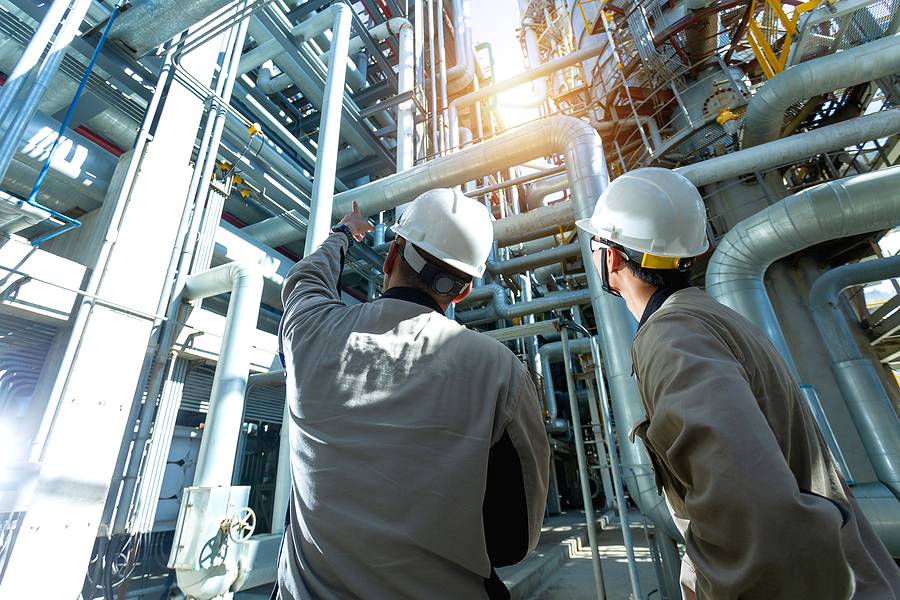
Preventing Downtime: Pipeline Challenges In Tuas & Jurong
Tuas and Jurong are widely recognised as two of Singapore’s most important industrial zones, supporting everything from petrochemical production to advanced manufacturing and logistics. These areas operate around the clock, with facilities relying heavily on interconnected systems that keep materials, utilities, and operations moving efficiently. Behind the scenes, pipelines play a critical role in transporting liquids, gases, and industrial waste safely across large sites.
Heavy industrial activity also means that infrastructure here works under constant pressure. High vehicle traffic, exposure to chemicals, and demanding operational schedules create conditions that can accelerate wear and tear. When pipelines fail, the impact isn’t limited to one facility. Production delays, safety risks, regulatory consequences, and financial losses can ripple across entire supply chains, making prevention far more valuable than reactive repairs.
Why pipelines are essential to industrial continuity
Pipelines serve as the unseen backbone of industrial estates. Whether carrying cooling water, chemicals, fuel, or wastewater, they enable continuous operations without interruption. Unlike machinery that’s visible and regularly inspected, pipelines often run underground or within restricted plant areas, which makes problems harder to detect early.
When systems operate smoothly, most teams rarely think about them. However, even minor pipeline issues can escalate quickly if ignored. A small internal blockage or early-stage corrosion may seem manageable at first, yet it can eventually lead to pressure imbalances, leaks, or full system shutdowns.
Downtime in industrial zones like Tuas and Jurong isn’t just inconvenient. Production stoppages can affect contractual obligations, delivery timelines, and safety compliance requirements. Preventive maintenance, therefore, becomes a business necessity rather than an optional upgrade.
Common pipeline challenges in Tuas and Jurong
Industrial pipelines in these districts face unique environmental and operational pressures that differ from commercial or residential systems.
1. Corrosion from chemical exposure
Facilities in Tuas and Jurong frequently handle corrosive substances, including petrochemicals, solvents, and industrial waste streams. Over time, chemical reactions can weaken pipe walls internally, even when exterior surfaces appear intact.
Singapore’s humid climate further accelerates corrosion, especially where insulation traps moisture. Without routine monitoring, degradation may go unnoticed until leaks occur.
2. Heavy traffic and ground stress
Industrial estates experience constant movement of heavy vehicles such as container trucks, tankers, and forklifts. Underground pipelines are exposed to repeated ground vibrations and load stress, which can gradually cause joint misalignment or structural fatigue. These stresses are particularly challenging near loading bays, access roads, or expansion zones where soil conditions change frequently.
3. Sediment build-up and blockages
Pipelines transporting wastewater or industrial by-products often accumulate sediments, sludge, or residue over time. Reduced flow efficiency increases internal pressure and forces pumping systems to work harder, raising energy consumption and failure risk. Maintenance teams sometimes rely on methods like pipe pigging or jetting to restore flow efficiency, though consistent monitoring remains the key to preventing severe blockages from forming in the first place.
4. Ageing infrastructure
Many industrial facilities in Jurong were developed decades ago. While upgrades have taken place, some pipeline networks still operate beyond their intended lifecycle. Ageing systems are more vulnerable to cracks, joint failure, and material fatigue.
Replacing entire pipeline networks can be costly, which is why predictive maintenance strategies are increasingly preferred.
5. Compliance and environmental risks
Singapore maintains strict environmental and safety regulations. Any leakage involving chemicals or industrial wastewater can trigger investigations, operational suspensions, or financial penalties.
Businesses must demonstrate that they’ve taken reasonable preventive measures. This includes regular inspections, documentation, and proactive system upgrades.
How downtime actually happens
Pipeline failures rarely occur without warning. Most incidents follow a predictable progression:
- Minor internal corrosion reduces pipe thickness.
- Flow restriction increases pressure within the system.
- Small leaks or weak joints begin to form.
- Pumps and connected equipment experience abnormal strain.
- Sudden rupture or shutdown occurs.
Because pipelines are interconnected with other industrial equipment, one failure often disrupts multiple processes simultaneously. Cooling systems, production lines, or waste management operations may all halt at once. This cascading effect explains why proactive monitoring delivers far greater value than emergency repairs.
Why early detection saves more than repair costs
Many companies initially focus on repair expenses when evaluating maintenance strategies. However, the real cost of pipeline failure often comes from indirect losses.
Operational downtime can lead to:
- Production delays and missed delivery deadlines
- Contractual penalties
- Environmental clean-up expenses
- Safety investigations and compliance reviews
- Damage to corporate reputation
Early detection significantly reduces these risks. Fixing a minor internal defect during scheduled maintenance is far less disruptive than responding to an unexpected shutdown.
Planning for future industrial demands
Tuas and Jurong continue to evolve as Singapore strengthens its position as a global manufacturing and logistics hub. With automation and higher production capacity becoming more common, pipeline systems must support increased operational loads.
Future-ready facilities are investing in:
- Smart monitoring systems integrated with plant management software
- Upgraded materials designed for chemical resistance
- Modular pipeline designs that allow easier expansion
- Preventive maintenance partnerships with specialised engineering providers
These investments help companies scale operations without compromising reliability.
Building resilience through preventive strategies
Industrial downtime is rarely caused by a single dramatic event. More often, it results from small, manageable problems that were overlooked over time. By prioritising inspection, monitoring, and maintenance, companies can significantly reduce operational risk.
Preventive strategies also improve workforce safety. Well-maintained pipelines minimise exposure to hazardous leaks and create a more stable working environment for employees.
Ultimately, reliability becomes a competitive advantage. Facilities that maintain uninterrupted operations are better positioned to meet deadlines, maintain client trust, and operate efficiently even during periods of high demand.
Conclusion
Industrial operations in Tuas and Jurong depend on strong, reliable infrastructure working quietly behind the scenes every day. Proactive monitoring, early maintenance, and smart engineering decisions help businesses avoid costly disruptions while maintaining compliance with Singapore’s strict industrial standards.
If your facility is looking to strengthen operational reliability, Pharmchem Engineering offers customisable solutions supported by a wide range of industrial equipment designed to support efficient, dependable pipeline systems. Partner with Pharmchem Engineering to keep operations running smoothly and reduce the risk of unexpected downtime.