
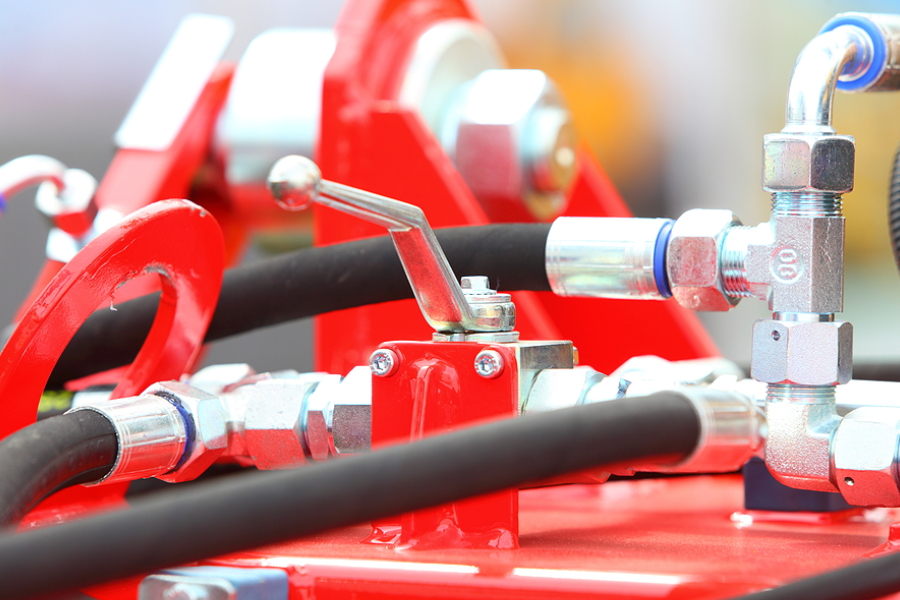
How To Protect Industrial Hoses From Weather Wear And Tear
Those who work with industrial hoses often focus on just the most important specifications, such as pressure ratings, material compatibility, and diameter. Yet one equally critical but often overlooked factor is the environment in which the hose operates. Extreme temperatures, humidity, or sunlight exposure can cause hoses to fail in many ways, as well as... Learn More
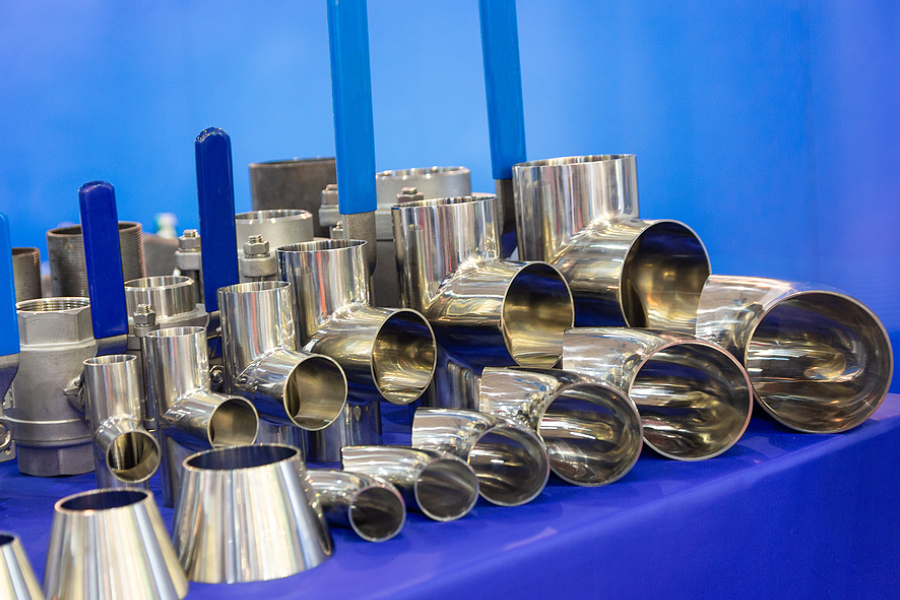
Sanitary Valves: What They Do And When To Use Them
Purity and hygiene are non-negotiable in sectors such as food and beverage production and pharmaceutical manufacturing. A single point of contamination can trigger product spoilage, costly recalls, and even serious health risks. While standard industrial valves perform adequately in many contexts, they simply cannot meet the rigorous hygiene demands found in these highly sensitive processing... Learn More
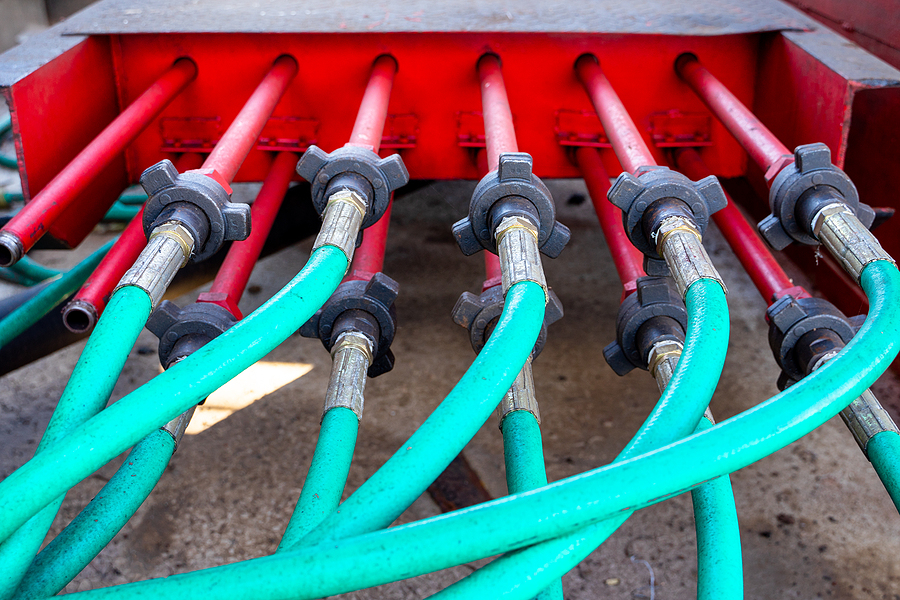
The Many Ways Hoses Can Fail And The Signs To Look Out For
Industrial hoses are a fundamental piece of equipment in many industries. Whether they are used in construction sites, food processing facilities, pharmaceutical plants, or everyday plumbing, hoses facilitate the transfer of liquids, gases, and chemicals without much notice, that is, until something goes wrong. Despite being designed to withstand pressure and demanding environments, even the... Learn More
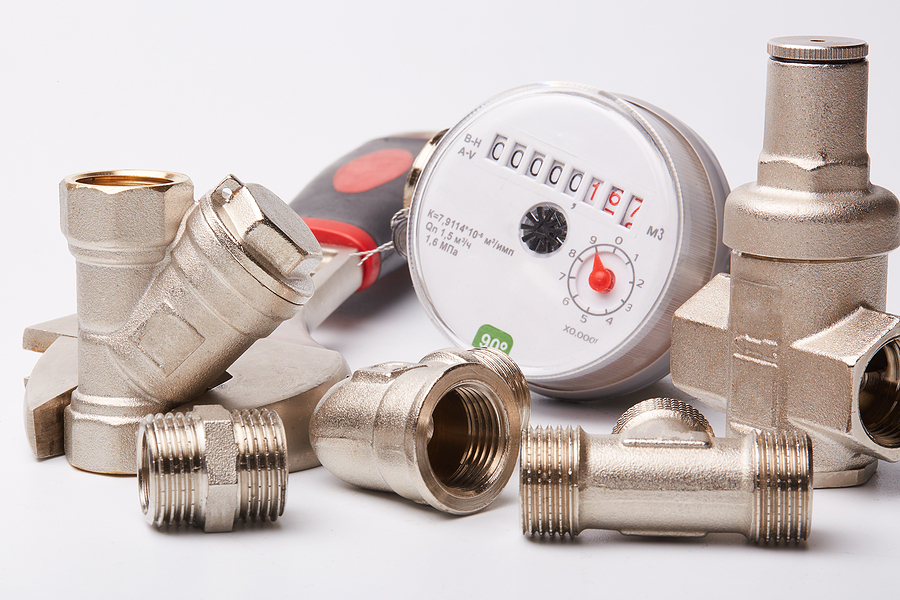
Why Surface Finish Matters In Sanitary Pipe Fittings
When selecting sanitary stainless steel pipe fittings in Singapore, decision-makers often focus on connection types, sizing and fitting mechanisms, and compliance with rated standards. While these aspects are indeed critical, there is another factor that can easily be overlooked but makes a significant difference in performance: surface finish. Surface finish refers to the quality and... Learn More
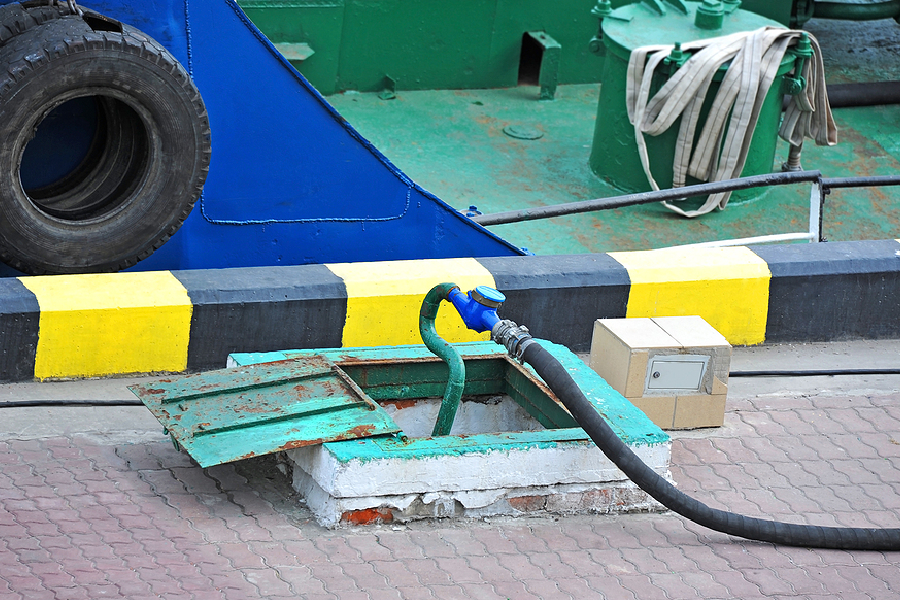
Why Every Bunkering Operation Needs Dry Disconnects
Bunkering, which is the transfer of fuel between a supply facility (jetty or bunker barge) and a receiving vessel, is one of the most routine yet potentially hazardous operations in the offshore and maritime industry. A seemingly small failure during transfer, be it hose separation, pull-away, or overpressure, can rapidly become an environmental disaster, threaten... Learn More
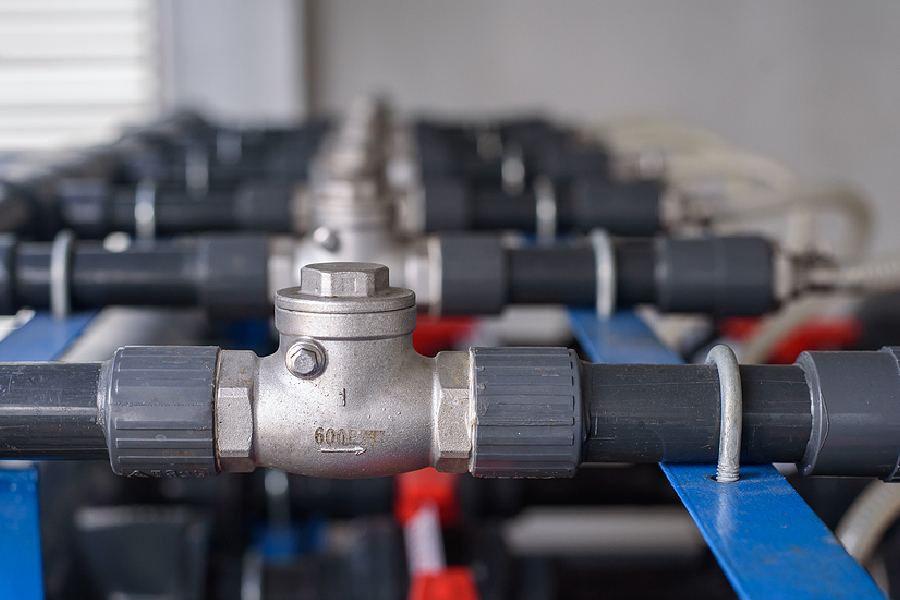
Sanitary Valve Replacement: A Guide To Early Detection
Sanitary pipe fittings in Singapore, particularly valve components, serve as key components in maintaining product integrity in hygienic processing facilities. Whether you are working with ball valves, butterfly valves, check valves, or any other similar parts whose terminology you may not be too familiar with yet, each plays a specialised role in controlling flow, maintaining... Learn More
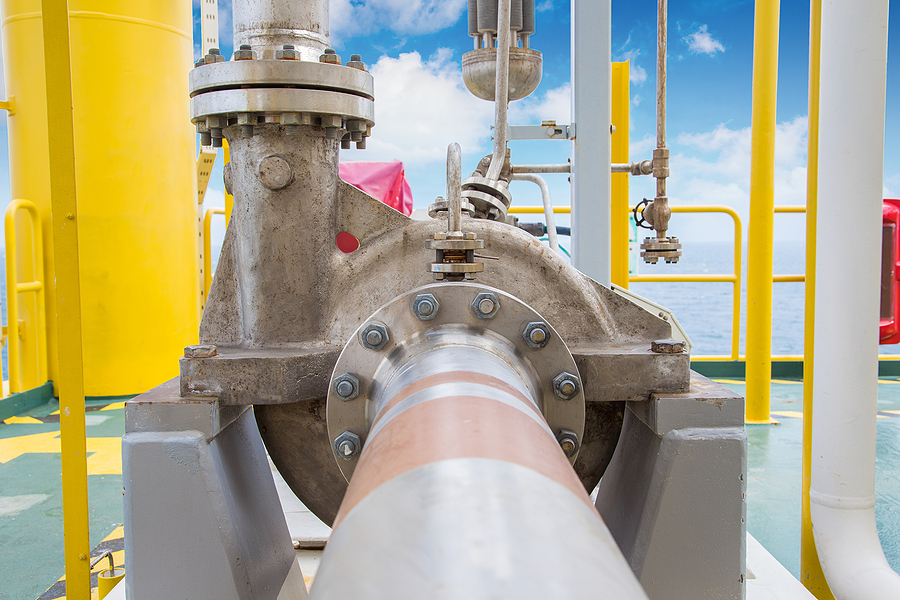
Delays: What Slows Down Fluid Transfer Projects Most?
Fluid transfer may seem straightforward on the surface: liquid goes from one point to another, job done. But anyone who’s ever worked on such a project knows that’s far from reality. Whether it’s transferring chemicals, fuel, or water, there’s a lot going on behind the scenes to ensure things are not only running efficiently but... Learn More

Why Less Movement Leads To Higher Throughput Rates
At first glance, the idea that doing less can result in more might sound counterintuitive. But when it comes to physical movement in industrial and manufacturing workflows, fewer steps often mean higher efficiency. Reducing unnecessary movement, whether it’s walking across a warehouse, reaching over machinery, or manually shifting heavy parts, saves time, reduces fatigue, and... Learn More
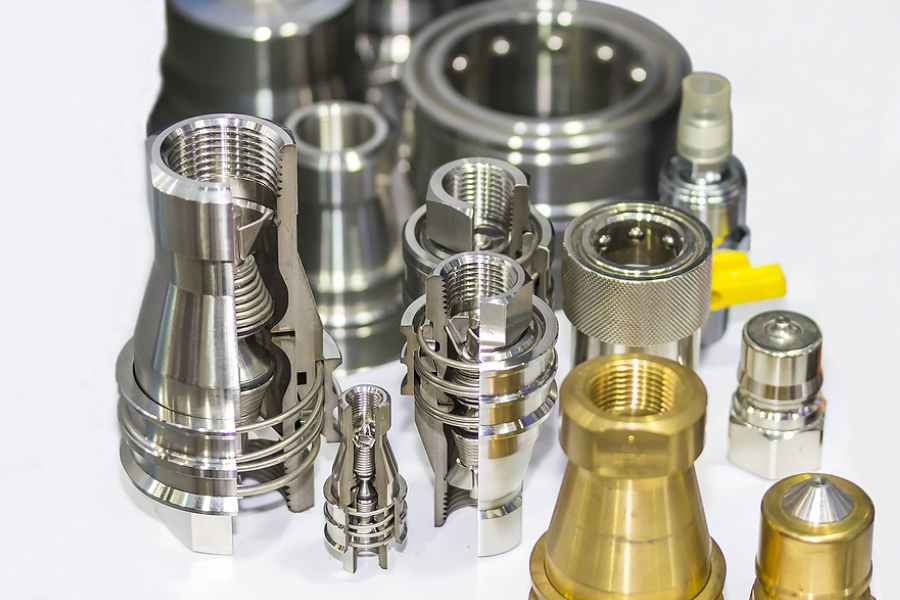
Dry Disconnect Coupling Selection Guide: What To Look For
Dry disconnect couplings are engineered to establish and safely sever connections in gas or fluid transfer systems, which is especially vital when handling hazardous, valuable, or hard-to-clean substances. Their innovative self-sealing mechanisms ensure secure, spill-free operations, protecting both personnel and materials. When selecting a suitable coupling, here are the key considerations to look for: ... Learn More
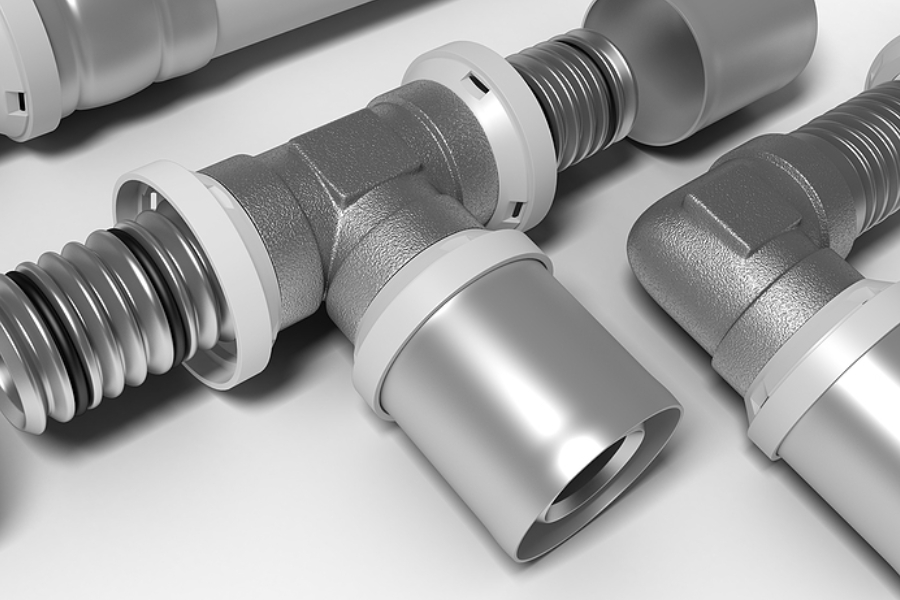
A Guide On Sizing Straight And Mechanical Pipe Tee Fittings
When talking about the various terms in pipe fittings, tees are almost always the first things that come to mind. As one of the most frequently used components in pipe fitting in Singapore, they are easily identified by their characteristic T-shape, featuring three openings, two aligned and one branching at a 90-degree angle. Their design... Learn More