Standards And Regulations For Pipe Fittings In Singapore
In industrial and infrastructure projects, established standards exist for a reason. They minimise the risk of system failure, reduce costly downtime, and ensure that installations perform as intended over long periods of service. Regulatory frameworks further reinforce these objectives by setting clear expectations for safety and performance across the entire industry.
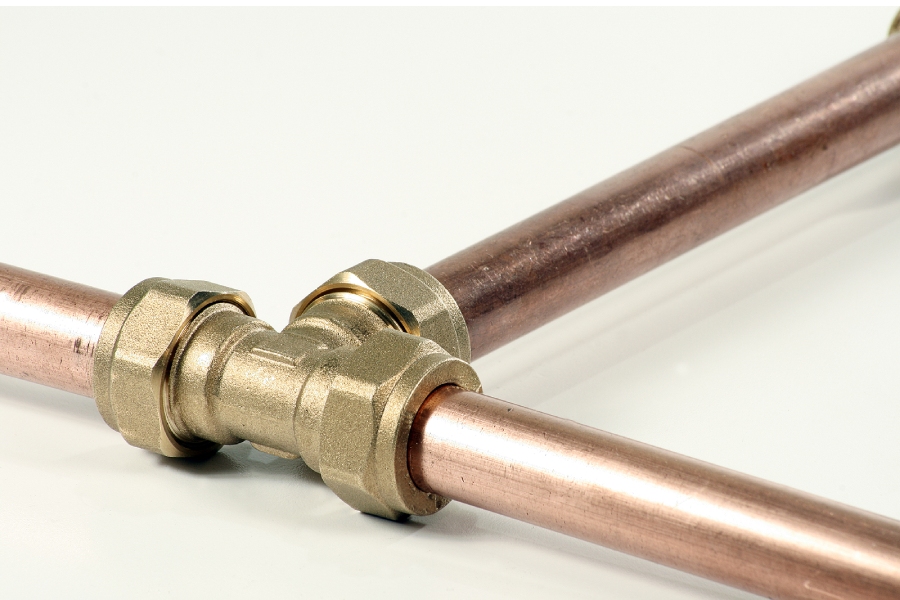
Pipe fittings may appear to be relatively small components within a larger piping system, but their role is nonetheless critical. These connectors are responsible for joining pipes, directing flow, controlling pressure, and ensuring leak-free operation. It is worth noting that sanitary fittings differ from regular fittings in that they are specifically engineered to meet hygiene and material purity standards required for potable water and drainage applications. If a fitting is poorly designed, manufactured using unsuitable materials, or improperly installed, the consequences can be severe and range from contamination and property damage to significant operational disruptions. In Singapore, these risks are carefully managed through a comprehensive framework of standards and regulations. Government authorities have established strict requirements to ensure that all water-related components, including pipe fittings, meet stringent technical and safety criteria.
For businesses involved in constructing or maintaining piping systems, particularly those carrying potable water, understanding these regulations is essential. Compliance not only ensures adherence to the law but also guarantees that installations remain safe, efficient, and durable. Without further ado, let us explore a few of the key regulatory frameworks governing sanitary pipe fittings and water service components in Singapore.
What is the PUB Stipulation of Standards & Requirements for water fittings (PUB S&R)?
The PUB Stipulation of Standards & Requirements for Water Fittings for Use in Potable Water Service Installations, commonly referred to as the PUB S&R, is the principal technical reference governing water fittings used in Singapore’s drinking water infrastructure.
Published by Singapore’s national water agency, Public Utilities Board (PUB), this document establishes the baseline standards that water fittings must meet before they can be introduced into potable water systems. Its purpose is to ensure that components used in water supply networks maintain water quality while remaining durable and safe for long-term use.
The PUB S&R covers a broad range of equipment that may come into contact with drinking water. Among the components included are:
- Pipes and pipe fittings
- Valves
- Taps and mixers
- Water storage tanks
- Flush valves and cisterns
- Rubber seals and gaskets
- Any materials used in contact with potable water
Before these products can be supplied, displayed for sale, advertised, or installed within Singapore, they must meet the standards outlined in the PUB S&R. The core objectives of the requirements are to ensure that water fittings:
- Do not contaminate potable water
- Do not contribute to unnecessary water wastage
- Are capable of delivering reliable performance throughout their service life
By enforcing these principles, the PUB S&R helps protect both public health and the long-term integrity of Singapore’s water infrastructure.
Testing and compliance requirements
Unlike regulatory systems that rely on direct government product certification, PUB employs a testing-based compliance framework. Under this system, a water fitting is considered compliant if it meets two main conditions:
1. It has been tested by a laboratory accredited by the Singapore Accreditation Council (SAC) or a recognised international accreditation body under mutual recognition arrangements.
2. The test results confirm that the product satisfies the performance requirements of the relevant referenced standards.
Suppliers, distributors, and retailers are required to retain valid laboratory test reports as proof of compliance. During regulatory inspections, PUB may request these documents. If the test reports are unavailable or were not issued by an accredited laboratory, the product may be deemed non-compliant. This approach places responsibility on manufacturers and suppliers to ensure that the products they introduce into the market have undergone proper verification.
Relationship with other standards
The PUB S&R does not function in isolation. Instead, it operates alongside several complementary standards and codes that collectively govern water service installations.
Two particularly important references include:
- SS 636 – Code of Practice for Water Services
- Relevant ISO, EN, or British Standards for various pipe materials and fittings
While the PUB S&R sets the fundamental material and performance requirements for water fittings, these additional standards provide guidance on design practices, installation procedures, and operational considerations. Together, they form a comprehensive technical framework for potable water systems.
An overview of the Public Utilities (Water Supply) Regulations
The Public Utilities (Water Supply) Regulations represent the legal backbone of Singapore’s water supply governance. Enacted under the Public Utilities Act and enforced by PUB, these regulations establish the statutory requirements governing water service systems throughout the country. Where the PUB S&R focuses primarily on product standards, the Water Supply Regulations address how water installations must be designed, installed, operated, and maintained.
The regulations cover a wide range of issues relating to water fittings and piping systems, including:
- Installation of water service pipes and associated fittings
- Measures to prevent contamination and backflow
- Water conservation practices and prevention of wastage
- Duties and responsibilities of building owners and contractors
- Licensing and regulation of plumbing professionals
By setting these requirements, the regulations ensure that water infrastructure is not only built using compliant products but also installed and maintained correctly.
Requirements for water service works
Water service installation works must follow a formal submission and approval process with PUB. Typically, professional engineers and licensed plumbers are responsible for overseeing these procedures.
Before construction begins, detailed plans and schematic drawings of the proposed water service installation must be submitted for approval. These documents allow PUB to verify that the system design meets regulatory standards.
After the installation is completed, a Certificate of Satisfactory Completion of Water Service Work must be submitted. This certificate confirms that the completed system complies with:
- The Public Utilities (Water Supply) Regulations
- SS 636 – Code of Practice for Water Services
- Other applicable statutory requirements
This process ensures that water fittings are not only compliant as individual products but are also correctly integrated into the broader water distribution system.
Enforcement and penalties
Non-compliance with the Water Supply Regulations can result in significant penalties that may include financial fines, mandatory rectification or replacement of installations, and legal penalties for serious violations.
For instance, failure to maintain or properly certify certain water system components, such as water storage tanks, may result in fines of up to $10,000 or imprisonment, depending on the nature and severity of the offence. These penalties underscore the importance of regulatory compliance in safeguarding Singapore’s water supply.
A quick guide on the Mandatory Water Efficiency Labelling Scheme (MWELS)
Another key component of Singapore’s regulatory landscape is the Mandatory Water Efficiency Labelling Scheme (MWELS), also administered by PUB. In contrast to the PUB S&R, which focuses on product safety and material performance, MWELS addresses a different but equally important concern: water efficiency. Singapore is a water-scarce nation, and conserving water resources is a national priority. MWELS, therefore, encourages the adoption of fittings and appliances that use water responsibly.
Several categories of water fittings must be registered under MWELS before they can be supplied or sold in Singapore. These include:
- Dual-flush low-capacity flushing cisterns
- Taps and mixers
- Urinal flush valves or waterless urinals
- WC flush valves
- Certain water-consuming appliances
Products falling under these categories must display an official water efficiency label before they can be advertised, displayed in retail stores, or sold to consumers.
Water efficiency ratings
MWELS uses a tick-based rating system to indicate the water efficiency of a product. Typical ratings include:
- 0 ticks – lowest efficiency level (generally not permitted for supply)
- 1 tick – basic water efficiency
- 2 ticks – moderate efficiency
- 3 ticks – high efficiency
Regulatory requirements are periodically tightened to improve overall water conservation. For example, WC flush valves supplied from 1 January 2022 must meet updated water-efficiency criteria. From 1 January 2023 onwards, only products with a minimum two-tick rating are permitted for installation. Such measures encourage manufacturers and suppliers to continuously improve the efficiency of their products.
Regulatory oversight
PUB conducts regular market surveillance to ensure compliance with MWELS regulations. Inspections may take place at retail outlets, supplier showrooms, and even online marketplaces. These checks ensure that only properly registered and labelled fittings are made available to consumers. Suppliers found selling non-compliant products may face enforcement action.
How these frameworks work together
Although each regulatory mechanism serves a distinct purpose, they are designed to function together as part of an integrated compliance system.
| Regulation/Standard | Main Purpose |
| PUB S&R | Ensures safety, material quality, and performance of water fittings |
| Public Utilities (Water Supply) Regulations | Governs the legal installation, operation, and maintenance of water service systems |
| MWELS | Promotes water efficiency in fittings and appliances |
Together, these frameworks ensure that potable water installations in Singapore remain safe, durable, and environmentally responsible.
Conclusion
Pipe fittings may be relatively small components within a piping network, but their importance cannot be overstated. They play a crucial role in maintaining system integrity, preventing leaks, and ensuring safe water distribution. Singapore’s regulatory landscape reflects this importance. Through the combined efforts of the PUB S&R, the Public Utilities (Water Supply) Regulations, and the Mandatory Water Efficiency Labelling Scheme, the country has developed a comprehensive framework governing the quality, installation, and efficiency of water fittings.
For manufacturers, contractors, and facility owners, understanding these standards is essential for delivering safe and sustainable water infrastructure in one of the world’s most advanced urban environments.