Avoid Delays: PUB-Compliant Steel Fittings Guide For 2026
Keeping your project on schedule is one of the biggest challenges contractors, plumbing specialists, and facility managers face today. With updated standards from Singapore’s water regulator, PUB, for potable water service installations, it’s more important than ever to choose compliant materials and prepare for inspection early. Recent changes tighten the requirements for water fittings and accessories. If you don’t take these seriously, you could face costly rework, inspection failures, fines, and delays to your project timeline.
That’s why this guide focuses on helping you understand what it takes to choose PUB-approved components, how to check supplier documentation such as Material Test Reports (MTRs), and what common pitfalls to avoid during installation. Taking a proactive approach to compliance will protect your site, your reputation, and your bottom line.
What exactly is PUB looking for?
The Public Utilities Board (PUB) is Singapore’s national water agency. It regulates water infrastructure and ensures potable water systems are reliable, safe, and efficient. Water fittings, including pipes, pipe fittings, valves, and related materials, must meet PUB’s stipulation of standards before they can be offered, advertised, displayed, or installed in potable water service installations.
PUB’s standards are detailed and regularly reviewed. The aim is to prevent contamination, reduce wastage, and ensure long-term durability of water supply systems. For piping and metallic fixtures, this includes compliance with relevant international standards and recognised testing protocols.
Why stainless steel matters
Stainless steel is one of the most common materials used in potable water systems because of its strength, corrosion resistance, and durability. However, not all grades are equal. Using poor quality stainless steel or incorrectly rated fittings can compromise water quality and lead to inspection failures.
One comparison that often comes up is 304 vs 316 stainless steel. While 304 is suitable for many applications, for more corrosive environments (such as near coastal areas or in chemical processing, depending on site conditions), Grade 316 may be preferred for its higher resistance. This isn’t the focus here, but worth noting when specifying materials.
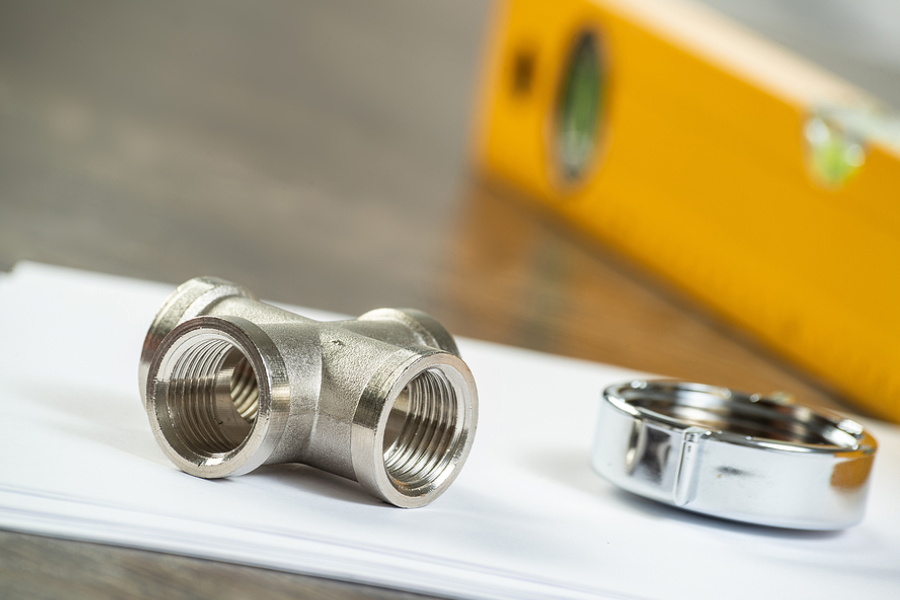
Among the many products you might source, stainless steel pipe fittings in Singapore must comply with PUB’s standards and be backed up by proper certification and documentation.
How to verify supplier documentation
Getting the right stainless steel materials is only half the job. You also need to verify their quality through reliable documentation.
Material Test Reports (MTRs) are essential. They show that the material has been produced and tested according to agreed international or national standards. Here’s how to check MTRs effectively:
1. Check the standards referenced
Ensure the MTR references recognised standards such as BS EN or ASTM standards related to stainless steel and potable water service materials. PRC or unverified standards are not acceptable.
2. Match grades and specifications
The MTR should clearly state the material grade and specification. It should be consistent with what you ordered and suitable for potable water use.
3. Accredited testing bodies
Confirm that the tests were conducted by a laboratory accredited by recognised accreditation bodies, such as the Singapore Accreditation Council (SAC) or equivalent. Accreditation logos and signatures matter.
4. Test results and dates
Review the numerical test results against the standards. Look at chemical composition and mechanical properties, such as tensile strength and corrosion resistance, to ensure compliance. Also, check the date of testing, since PUB may require materials tested after a certain date to meet updated standards.
If any part of the MTR is unclear, ask for clarification from the supplier before installation. Don’t wait for an inspection to find out something doesn’t match.
Common installation mistakes that lead to inspection failures
Even when you use the right materials, poor installation can sabotage compliance. Here are common issues that can lead to PUB inspection failures:
- Incorrect jointing methods: Using the wrong jointing methods or sealants that are incompatible with stainless steel can lead to leaks and contamination risks. Ensure you follow manufacturer recommendations and recognised industry practices.
- Inadequate supports or fixings: Piping systems must be supported and fixed correctly to prevent undue stress and movement. Unsupported pipes can shift and cause joint failures over time.
- Mixing incompatible materials: Combining stainless steel components with incompatible metals or materials without proper isolation can lead to galvanic corrosion. Make sure all materials in contact are compatible, or use isolation methods such as dielectric unions where needed.
- Poor site practices: Debris, weld slag, or contaminated tools can introduce contaminants into a potable water system. Keep all components clean, and protect open pipe ends during installation.
- Lack of documentation on-site: PUB inspectors may ask for documentation to verify compliance. Ensure that MTRs, certificates, and installation records are organised and easily accessible on-site.
Many of these mistakes are avoidable with thoughtful planning and skilled installers who understand local requirements.
Staying ahead of PUB requirements in 2026
PUB updates its Stipulation of Standards and Requirements for water fittings periodically, based on technology changes and industry feedback. Recent updates have removed non-compliant materials and tightened testing requirements, so staying informed is critical.
Here’s how to stay up to date and ahead of compliance issues:
- Subscribe to PUB updates: PUB publishes notices and updated standards on its website. Regularly reviewing these will keep your team aware of changes before they affect your project.
- Work with trusted suppliers: Partner with suppliers who understand local requirements and can provide compliant products with complete documentation. A good supplier will help you anticipate compliance needs, not react to them.
- Train your team: Ensure your project managers, site supervisors, and installers understand PUB regulations and how to implement them in practice. Regular training reduces mistakes on-site.
- Plan for inspection early: Don’t leave PUB inspections to the last minute. Start compliance checks early in your project so you have time to correct issues without delaying your schedule.
Real costs of non-compliance
Failing to comply with PUB standards is more than an administrative headache. It can result in:
- Project delays due to rework
- Additional costs of replacing non-compliant materials
- Fines or enforcement actions from PUB
- Reputation damage with clients
PUB’s standards are designed to protect potable water quality and system reliability, so it takes non-compliance seriously.
Conclusion
Avoiding inspection failures comes down to careful planning, quality materials, and proper installation practices. Choosing the right stainless steel pipe fittings, verifying documentation such as MTRs with suppliers, and following PUB’s standards will put your project on the path to success.
If you need dependable industrial equipment and custom solutions, consider Pharmchem Engineering. We offer a wide range of industrial fittings, valves, and piping solutions that can be custom-made to meet your project’s specifications. Contact us to find out how we can support your compliance needs and help keep your project on schedule.